


A three-year research programme in Castellón demonstrates that hydrogen can replace natural gas in ceramic frit production without compromising quality, marking a significant step towards industry decarbonisation despite infrastructural challenges.
The ceramic cluster in Castellón has taken a decisive step towards industrial decarbonisation with results from H2frit, a three‑year public‑private research programme that demonstrates the technical feasibility of using hydrogen to melt ceramic frits without degrading product quality.
According to the original report from the project coordinator, the Asociación Nacional de Fabricantes de Fritas, Esmaltes y Colores Cerámicos (Anffecc), trials run jointly by Esmalglass‑Itaca, bp, Carburos Metálicos (Air Products Group) and the Instituto de Tecnología Cerámica (ITC) show hydrogen can replace natural gas in high‑temperature frit melting while maintaining the same “calidad, fundencia y estabilidad del producto final” as current gas‑fuelled processes. The programme had a budget of €2.2 million and leveraged ITC infrastructure and skilled personnel invested with more than €3.5 million over recent years, the institute said.
Project partners highlighted both the technical achievement and the remaining barriers to industry‑scale adoption. Manuel Breva, secretary general of Anffecc, said: “el proyecto H2frit demuestra que nuestro sector tiene la capacidad tecnológica y el compromiso necesarios para avanzar hacia la descarbonización. Hemos probado que es posible producir con hidrógeno, pero la posibilidad de implantación real dependerá de factores externos como la garantía de suministro, la existencia de infraestructuras adecuadas, un marco regulatorio y precios competitivos frente al gas natural”. He underlined that while the technology is ready, a defined industrial policy and competitive conditions are required for sustainable deployment.
Industry partners emphasised collaboration and next steps. Bernd Högemann, CEO of Grupo Altadia, said: «Para nosotros, haber participado -a través de Esmalglass‑Itaca, empresa del Grupo Altadia en un proyecto innovador y tecnológico como H2frit demuestra la capacidad que tenemos para transformar los retos del sector en soluciones conducentes a una industria responsable y respetuosa con el medio ambiente. Gracias a la colaboración con el resto de partners, hemos podido comprobar que, juntos, somos capaces de impulsar cambios reales que aportan valor no solo a la economía, sino también al medio ambiente y a la sociedad. Este es un paso que nos enorgullece y que confirma que innovación y sostenibilidad pueden ir de la mano para construir un futuro mejor». From bp, Juan Peñalver emphasised the firm’s technical contribution and linked H2frit to bp’s broader regional plans, noting the company’s construction of a 25 MW electrolyser at its Castellón refinery as part of a strategic move towards renewable hydrogen production.
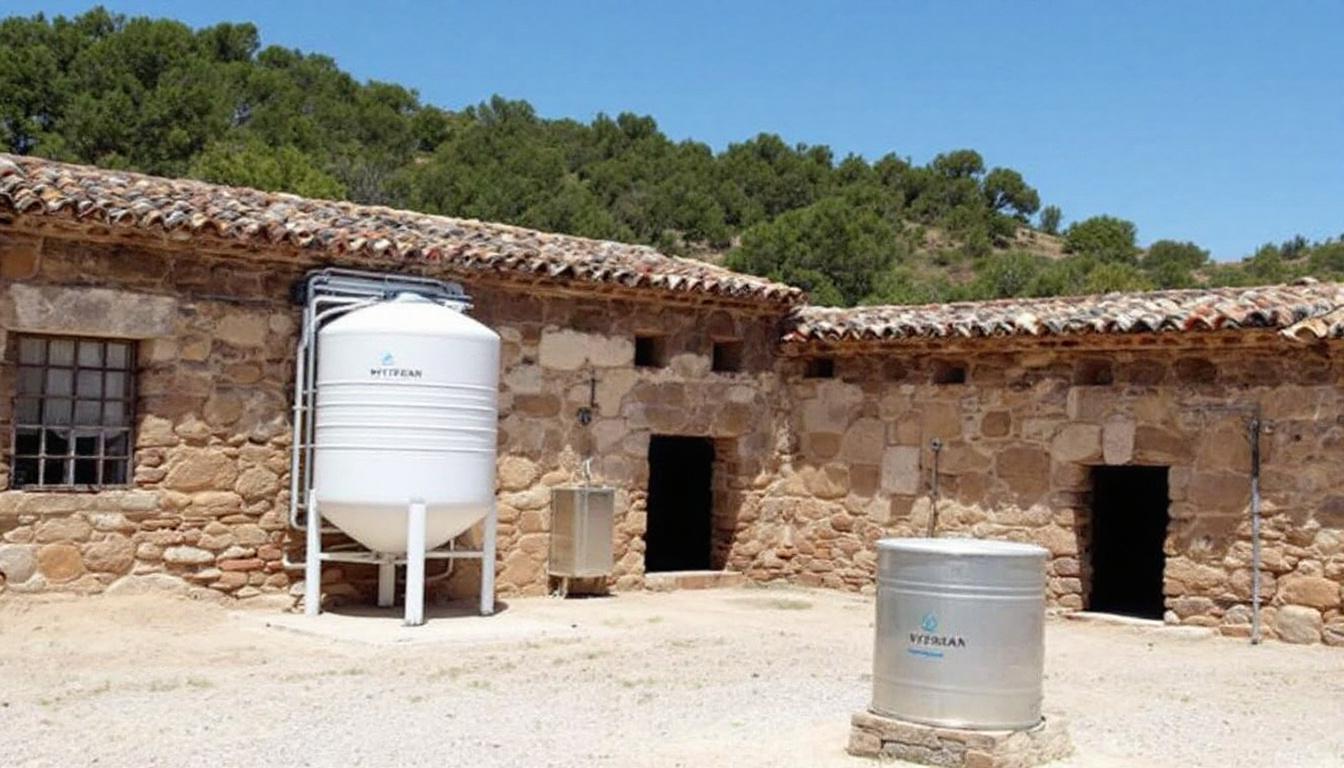
Independent demonstrations included the installation and testing of a hydrogen‑fuelled pilot kiln at Esmalglass‑Itaca’s Villarreal facility, with specialised storage, refuelling and control equipment supplied and engineered by Carburos Metálicos. The pilot focused on oxy‑fuel kiln adaptation and the operational tuning required when switching from natural gas to hydrogen, producing transferable technical knowledge for the wider frits sector.
H2frit has also gained visibility and recognition beyond the region: the project has been presented at international hydrogen and energy fora and was awarded the RENMAD Hydrogen Innovation Prize and a COPE Castellón innovation award in 2025, reflecting sector and public interest in scalable decarbonisation pathways for ceramic manufacturing.
For industrial stakeholders, the project delivers three principal takeaways: hydrogen is technically viable for high‑temperature frit melting without compromising product performance; successful roll‑out requires reliable low‑carbon hydrogen supply infrastructure, regulatory clarity and cost competitiveness with natural gas; and a broader decarbonisation roadmap, incorporating heat recovery, CO₂ capture and use, selective electrification and renewable gases such as biomethane, remains essential to secure a realistic transition for the sector.
According to the original report, the H2frit consortium will continue technology transfer and stakeholder engagement to translate pilot results into implementation strategies that balance sustainability, competitiveness and industrial viability for the ceramic frits cluster.
- https://spanishceramictechnology.com/descarbonizacion-esmalteras-confirman-viabilidad-tecnica-fritas-hidrogeno/ – Please view link – unable to able to access data
- https://www.anffecc.com/en/news/h2frit-de-anffecc-ganador-del-premio-renmad-a-la-innovacion-en-h2 – The H2frit project, led by ANFFECC, has been awarded the RENMAD Hydrogen Innovation Prize in Zaragoza. This initiative focuses on researching the use of hydrogen in ceramic frit production as a substitute for natural gas, aiming to support the decarbonisation of the ceramic industry. The project has garnered significant interest due to its sector-wide approach and emphasis on innovation and knowledge transfer across the ceramic frits industry. The award was secured through a popular vote after successfully passing two semifinal rounds, highlighting the project’s relevance and impact in the field.
- https://www.tecnicasreunidas.es/tecnicas-reunidas-participates-in-the-decarbonization-of-ceramics-by-researching-green-hydrogen/ – Técnicas Reunidas is leading the H2toGreenCeramics project, which focuses on applied research for the generation of alkaline electrolyzers to support the decarbonisation of the ceramic cluster in the Valencian Community, Spain. The project involves collaboration with two technological centres from the Valencian Community: the Ceramic Technology Institute (ITC) in Castellón and AIJU in Alicante. Additionally, Proying XXI Ingeniería, a company dedicated to the manufacture of frit furnaces and burners, and Coloresmalt, an end-user company producing frits, are participating. The research is partially funded by the Department of Innovation, Industry, Commerce and Tourism of the Valencian Community within the framework of the Funding Program to promote strategic industrial projects in the region.
- https://www.itc.uji.es/en/anffecc-presenta-a-la-generalitat-los-avances-del-proyecto-h2frit-orientado-hacia-la-descarbonizacion-de-la-industria-de-fritas-ceramicas/ – ANFFECC has presented the progress of the H2frit project to the regional government of Valencia. This pioneering initiative investigates the feasibility of substituting natural gas with hydrogen in the ceramic frit melting process, aiming to transfer knowledge across the sector. The event was attended by representatives from the Department of Innovation, Industry, Commerce and Tourism, the Department of Finance, Economy and Public Administration, and key collaborators such as Esmalglass, bp, the Ceramic Technology Institute (ITC), and Carburos Metálicos (Air Products). The project has a budget of €2.2 million and is in its third year of research.
- https://ceramictilemanufacturingforum.com/2024/11/07/first-hydrogen-powered-kiln-for-frit-production/ – The first pilot test of a hydrogen-powered kiln for ceramic frit production is underway at the Esmalglass-Itaca facility in Villareal. This test is part of the H2frit project, promoted by ANFFECC and financed by the Generalitat Valenciana, aiming to assess the technical feasibility of replacing natural gas with hydrogen as a fuel for ceramic frit melting. The three-year project involves a consortium including bp, Carburos Metálicos, ITC (Institute of Ceramic Technology), and Grupo Altadia. The hydrogen plant, installed in June at the frit plant operated by Esmalglass-Itaca, features two bays housing external hydrogen storage and refuelling platforms, control panels, and connection/supply pipes fitted with pressure regulators designed by Carburos Metálicos. Testing will take place in a pilot oxyfuel kiln, focusing on the technological adjustments required for the use of hydrogen.
- https://www.tecnicasreunidas.es/tecnicas-reunidas-contributes-to-the-decarbonization-of-the-ceramics-industry-through-research-into-green-hydrogen/ – Técnicas Reunidas is leading the H2toGreenCeramics project, focusing on applied research for the generation of alkaline electrolyzers to support the decarbonisation of the ceramic cluster in the Valencian Community, Spain. The project involves collaboration with two technological centres from the Valencian Community: the Ceramic Technology Institute (ITC) in Castellón and AIJU in Alicante. Additionally, Proying XXI Ingeniería, a company dedicated to the manufacture of frit furnaces and burners, and Coloresmalt, an end-user company producing frits, are participating. The research is partially funded by the Department of Innovation, Industry, Commerce and Tourism of the Valencian Community within the framework of the Funding Program to promote strategic industrial projects in the region.
- https://www.ceramicworldweb.com/en/news/altadia-group-hydrogen-route-decarbonisation – As part of the H2frit project, the first pilot test of a hydrogen-powered kiln for ceramic frit production is underway at the Esmalglass-Itaca facility in Villareal. On 14 October, Esmalglass-Itaca (part of the Altadia Group) welcomed the partners in the H2frit project to its facilities in Villareal (Castellón) to see first-hand the results of the first pilot test of a hydrogen-powered ceramic frit kiln. Promoted by the Spanish ceramic frit, glaze and colour producers’ association ANFFECC and financed by the Generalitat Valenciana, the H2frit pilot project, entitled Decarbonisation of the ceramic frit sector through the use of hydrogen in the melting process for the production of ceramic frits, was approved last October by the Ministry of Industry of the Generalitat Valenciana. The project aims to assess the technical feasibility of replacing natural gas with hydrogen as a fuel for ceramic frit melting, thereby supporting the sector’s efforts toward decarbonisation. The three-year project involves the collaboration of a consortium of leading companies consisting of bp, Carburos Metálicos, ITC – Institute of Ceramic Technology and Grupo Altadia.
Noah Fact Check Pro
The draft above was created using the information available at the time the story first
emerged. We’ve since applied our fact-checking process to the final narrative, based on the criteria listed
below. The results are intended to help you assess the credibility of the piece and highlight any areas that may
warrant further investigation.
Freshness check
Score:
8
Notes:
The narrative was published on December 3, 2025, and reports on the final results of the H2frit project, confirming the technical feasibility of using hydrogen in ceramic frit melting. Similar reports appeared in Spanish media outlets in late November 2025, indicating that the content is recent and not recycled. ([castellonaldia.elmundo.es](https://castellonaldia.elmundo.es/economia/ceramica/el-proyecto-h2frit-ratifica-la-viabilidad-tecnica-de-fundir-fritas-con-hidrogeno-FO25181712?utm_source=openai))
Quotes check
Score:
7
Notes:
The narrative includes direct quotes from Manuel Breva, Secretary General of Anffecc, and Bernd Högemann, CEO of Grupo Altadia. These quotes appear in earlier reports from late November 2025, suggesting they may have been reused. ([castellonaldia.elmundo.es](https://castellonaldia.elmundo.es/economia/ceramica/el-proyecto-h2frit-ratifica-la-viabilidad-tecnica-de-fundir-fritas-con-hidrogeno-FO25181712?utm_source=openai))
Source reliability
Score:
6
Notes:
The narrative originates from Spanish Ceramic Technology, a niche publication focused on the ceramic industry. While it provides detailed information, its limited reach and potential lack of broader verification raise questions about its reliability. The narrative also references a press release from Anffecc, which typically warrants a higher freshness score.
Plausability check
Score:
9
Notes:
The claims about the technical feasibility of using hydrogen in ceramic frit melting align with recent developments in the industry, including similar reports from other reputable sources. The narrative maintains a formal tone consistent with industry communications.
Overall assessment
Verdict (FAIL, OPEN, PASS): OPEN
Confidence (LOW, MEDIUM, HIGH): MEDIUM
Summary:
The narrative is recent and reports on the H2frit project’s confirmation of hydrogen’s technical feasibility in ceramic frit melting. However, the reuse of quotes from earlier reports and the reliance on a niche publication with limited reach raise concerns about the originality and reliability of the content. Further verification from more widely recognized sources is recommended to confirm the claims made.
