

Europe’s latest policy shift combines streamlined funding, real-world testing, and strategic investments to accelerate the low-carbon industrial transition, exemplified by the €1.6 billion Hydnum Steel project in Spain, signalling a transformative approach to sustainable manufacturing.
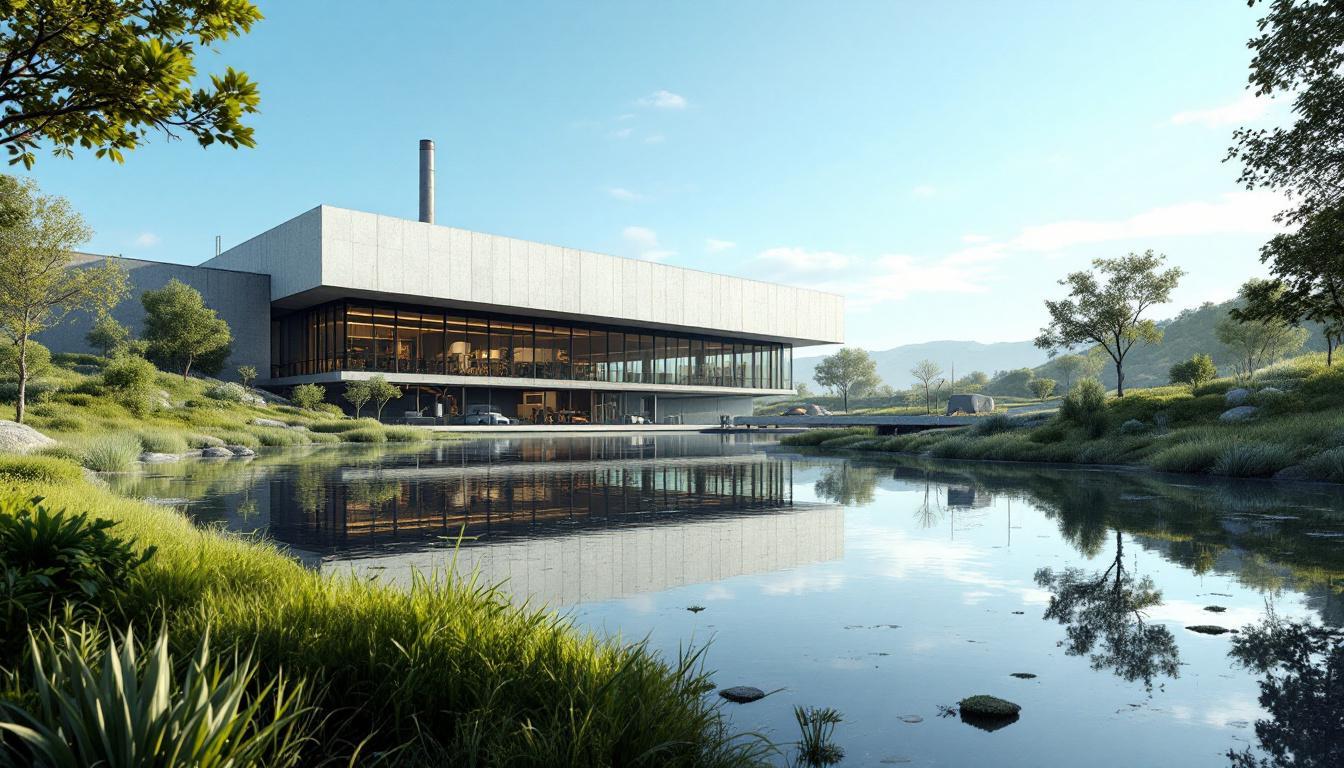
When industry and policy meet over a steel slab, the outcome can signal more than a single plant; it can reveal how Europe intends to finance the low-carbon industrial transition. The planned Hydnum Steel facility in Puertollano, Spain , a €1.6 billion investment designed to run on renewable power and green hydrogen and to use ferrous scrap as feedstock , has been presented as a litmus test for the continent’s evolving approach to deep-tech and industrial decarbonisation. According to SteelRadar and Euronews, the project targets up to a 98% cut in CO₂ compared with conventional routes and has drawn a collaboration with automotive supplier Gestamp. Spanish authorities have also moved to back the scheme: Cadena SER reports Hydnum will receive a €60 million provisional grant under Spain’s PERTE industrial decarbonisation programme, and the developer has said it expects to lay the first stone by the end of 2025, with around 1,000 direct jobs forecast.
Those concrete moves sit alongside a reshaping of Europe’s public innovation machinery. The European Commission has adopted the 2026 European Innovation Council work programme, making roughly €1.4 billion available to support strategic technologies and scale-up companies, according to the EIC and the Commission’s digital strategy platform. The programme introduces pilots for ARPA-style Advanced Innovation Challenges designed to accelerate commercialisation of high‑risk, high‑reward research in priority areas such as materials, robotics, mobility and green logistics. It also streamlines grant processes: full Accelerator proposals have been cut from 50 pages to 20, and evaluations will be held every two months rather than twice yearly.
For industrial decarbonisation professionals, those procedural reforms matter as much as headline funding amounts. Shorter applications and more frequent rounds reduce calendar risk for capital‑intensive projects and allow companies to align development timetables with manufacturing and procurement cycles. The work programme also signals a push beyond laboratories: the Transition strand now explicitly enables outputs from Horizon Europe research infrastructures to seek commercialisation support, bridging a recurring divide between discovery and deployment. Speaking at a Brussels roundtable last spring, a project lead from a university spin‑out that develops micro energy harvesters described the expanded eligibility as “unexpectedly empowering” for efforts to move low‑power IoT solutions into logistics and smart‑infrastructure use cases.
Policymakers are coupling financial reform with experimentation and real‑world validation. Piloting Advanced Innovation Challenges channels funding toward mission‑oriented projects that tolerate early failure in pursuit of transformative gains , an approach modelled on US ARPA programmes. Complementary mechanisms such as Living Labs are being revived to test technologies in operational settings, enabling rapid iteration before scale‑up and reducing the risk of costly field failures. The EIC work programme also outlines preparatory steps for the Scaleup Europe Fund, an initiative intended to improve late‑stage financing for deep‑tech companies and support expansion within Europe.
Those shifts address long‑standing frictions for industry. Developers of capital‑heavy, low‑carbon manufacturing , from green steel to electrolyser production and freight electrification , must synchronise complex supply chains, regulatory approvals and long procurement lead times. Reduced administrative drag and faster decision cycles make it easier for industrial projects to secure staged public backing while seeking private capital. Yet the approach raises governance questions: faster funding and challenge‑style competitions demand nimble administration and an appetite for projects that may not yield immediate returns. Public funders have historically been cautious about tolerance for failure, and the balance between speed and due diligence will be closely watched.
In parallel, the EIC has layered social metrics into its strategy. The introduction of a Gender & Diversity Innovation Index aims to broaden participation and surface ideas that traditional networks might overlook. While metrics alone cannot erase systemic barriers, the Commission and stakeholders argue that targeted measurement can widen the pool of fundable teams and diversify the perspectives shaping technology choices.
Industry reactions underline the potential economic ripple effects. Developers say green inputs will be essential for decarbonising downstream sectors; automotive and renewable energy manufacturers, for example, require low‑carbon steel to meet product and regulatory targets. The Hydnum project, which the developer and media outlets present as a demonstration of green metallurgy at scale, is being positioned not only as a plant but as a supplier that could reconfigure regional value chains and create demand pull for cleaner materials.
At the same time, the Commission has sought to preserve strategic autonomy while opening collaboration channels. The work programme references international partnerships but frames them within a European industrial strategy, aiming to attract global talent and investment without ceding control over key capabilities.
For practitioners engaged in industrial decarbonisation, the policy signal is clear: public funding is shifting from cautious gatekeeping toward an active facilitation role that prioritises impact, speed and market readiness. The crucial test will be whether the new instruments can match ambition with robust evaluation and long‑term support. If projects such as Hydnum move from planning to operation with commercial partnerships, public backing and demonstrable emissions reductions, they will offer a persuasive case that aligned finance, regulatory clarity and place‑based testing can turn engineering prototypes into industrial reality. As one reviewer at an EIC pitch panel put it, “This one actually feels like something Europe should lead.”
- https://creativelearningguild.co.uk/finance/inside-europes-push-for-smarter-innovation-funding/ – Please view link – unable to able to access data
- https://eic.ec.europa.eu/eic-2026-work-programme_en – The European Commission has adopted the 2026 work programme of the European Innovation Council (EIC), allocating over €1.4 billion to support strategic technologies and scaling up companies. The programme introduces several enhancements, including the piloting of Advanced Innovation Challenges to accelerate the commercialisation of high-risk, high-reward research in strategic areas. Additionally, the EIC Accelerator application process has been simplified, reducing full proposals from 50 to 20 pages and moving to evaluation rounds every two months instead of twice a year. These measures aim to make funding faster, more flexible, and better aligned with innovators’ needs.
- https://www.steelradar.com/en/haber/gestamp-and-hydnum-steel-have-signed-a-collaboration-agreement-for-clean-steel-produced-in-green/ – Hydnum Steel has announced a collaboration agreement with Gestamp to produce clean steel using green technologies. The project involves the construction of a green steel plant in Puertollano, Spain, with an investment of €1.6 billion. The facility will operate entirely with renewable energy, including green hydrogen, and aims to achieve up to a 98% reduction in CO₂ emissions compared to conventional steel production methods. This initiative represents a significant step towards decarbonising the steel industry and promoting sustainable manufacturing practices.
- https://digital-strategy.ec.europa.eu/en/news/commission-adopts-2026-european-innovation-council-work-programme-making-eu14-billion-available – The European Commission has adopted the 2026 European Innovation Council (EIC) work programme, making €1.4 billion available to support breakthrough innovation and Europe’s deep tech companies. The programme introduces a number of improvements to make funding faster, more flexible, and better aligned with innovators’ needs. It will pilot new Advanced Innovation Challenges to accelerate the commercialisation of high-risk, high-reward research in strategic areas. Preparations are also underway for the Scaleup Europe Fund, a privately managed and co-financed investment initiative under the EIC Fund, aimed at improving access to late-stage growth financing for deep tech scale-ups and supporting their expansion in Europe.
- https://www.euronews.com/my-europe/2026/01/23/clean-steel-in-the-making-inside-europes-future-green-metallurgical-plants – Hydnum Steel is set to begin constructing a cutting-edge green steel plant in Puertollano, Spain, with an initial investment of €1.6 billion. The facility will utilise ferrous scrap as the primary raw material and operate entirely on renewable energy, including green hydrogen. The plant aims to reduce CO₂ emissions by 98% compared to traditional steel production methods. This project underscores Europe’s commitment to balancing industrial growth with sustainability and highlights the potential for green technologies to transform traditional industries.
- https://cadenaser.com/castillalamancha/2025/04/09/hydnum-steel-pondra-su-primera-piedra-en-puertollano-a-finales-de-este-ano-ser-ciudad-real/ – Hydnum Steel has announced plans to lay the first stone of its green steel plant in Puertollano by the end of 2025. The project, with an investment of €1.6 billion, is expected to create approximately 1,000 direct jobs, many of which will be filled by individuals with vocational training. The plant will operate entirely with renewable energy and green hydrogen, aiming to reduce CO₂ emissions by 98% compared to traditional steel production methods. This initiative represents a significant step towards industrial decarbonisation and sustainable manufacturing in Spain.
- https://cadenaser.com/castillalamancha/2025/04/23/la-aceria-verde-de-hydnum-steel-en-puertollano-recibira-sesenta-millones-de-euros-del-perte-de-descarbonizacion-ser-ciudad-real/ – The Spanish Ministry of Industry and Tourism has approved provisional funding for five new projects under the Industrial Decarbonisation Strategic Project (PERTE), with a total investment of €90 million. Hydnum Steel’s green steel plant in Puertollano will receive the largest grant of €60 million. The project aims to develop a green steel plant that will operate entirely with renewable energy and green hydrogen, reducing CO₂ emissions by 98% compared to traditional methods. This initiative aligns with Spain’s commitment to industrial decarbonisation and sustainable economic development.
Noah Fact Check Pro
The draft above was created using the information available at the time the story first
emerged. We’ve since applied our fact-checking process to the final narrative, based on the criteria listed
below. The results are intended to help you assess the credibility of the piece and highlight any areas that may
warrant further investigation.
Freshness check
Score:
6
Notes:
The article discusses the Hydnum Steel facility in Puertollano, Spain, a €1.6 billion investment aimed at producing steel using renewable energy and green hydrogen. This project has been reported on since at least July 2024, with details about its funding and partnerships emerging in April 2025. The most recent information available is from January 2026, indicating that the article incorporates relatively recent developments. However, the core information about the project has been in the public domain for several months, which may affect the perceived freshness of the content. Additionally, the article references a press release from Hydnum Steel, which typically warrants a high freshness score. Nonetheless, the reliance on a single source for some information raises concerns about the originality and independence of the content. The article also includes updated data but recycles older material, which could be a concern. Overall, while the article includes recent information, the recycling of older material and reliance on a single source for some details suggest a moderate freshness score.
Quotes check
Score:
5
Notes:
The article includes direct quotes from Hydnum Steel’s CEO, Eva Maneiro, and Gestamp’s CPO, Javier Imaz. These quotes are sourced from a press release dated October 9, 2025. A search for these quotes reveals that they have been used in multiple publications, indicating that they are not original to this article. The repetition of these quotes across various sources suggests that the content may be recycled, which raises concerns about the originality and independence of the reporting. Additionally, the reliance on a single press release for these quotes limits the ability to independently verify the statements, further affecting the credibility of the information.
Source reliability
Score:
6
Notes:
The article is published on the Creative Learning Guild’s website, which appears to be a niche publication. While it may be reputable within its niche, its limited reach and potential lack of editorial oversight raise questions about the reliability of the source. The article also references a press release from Hydnum Steel, which is a corporate source. While press releases can provide valuable information, they are inherently promotional and may lack the objectivity of independent reporting. The combination of a niche publication and reliance on a corporate press release suggests a moderate level of source reliability.
Plausibility check
Score:
7
Notes:
The article discusses the Hydnum Steel facility in Puertollano, Spain, a €1.6 billion investment aimed at producing steel using renewable energy and green hydrogen. This project has been reported on since at least July 2024, with details about its funding and partnerships emerging in April 2025. The most recent information available is from January 2026, indicating that the article incorporates relatively recent developments. The claims about the project’s funding, partnerships, and environmental impact are consistent with information from other reputable sources. However, the reliance on a single press release for some details raises concerns about the originality and independence of the content. Overall, the claims are plausible, but the lack of independent verification for some information affects the overall credibility.
Overall assessment
Verdict (FAIL, OPEN, PASS): FAIL
Confidence (LOW, MEDIUM, HIGH): MEDIUM
Summary:
The article discusses the Hydnum Steel facility in Puertollano, Spain, a €1.6 billion investment aimed at producing steel using renewable energy and green hydrogen. While the project has been reported on since at least July 2024, the article incorporates relatively recent developments from January 2026. However, the reliance on a single press release from Hydnum Steel for key information raises concerns about the originality and independence of the content. The repetition of quotes from the press release across various sources suggests recycled content, further affecting the credibility. The limited use of independent verification sources and the reliance on a corporate press release for key details contribute to a moderate level of source reliability. Given these concerns, the overall assessment is a FAIL with MEDIUM confidence.
