


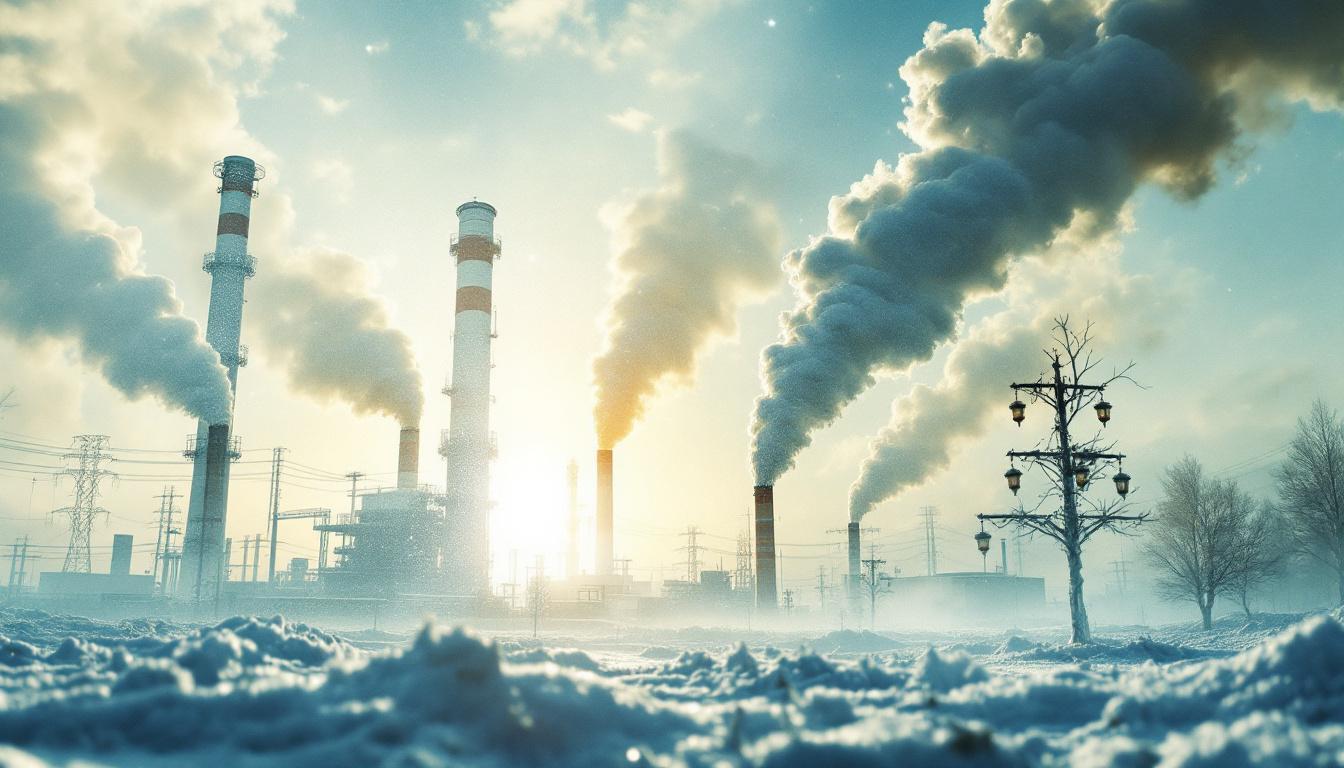
A coalition of manufacturers and civil-society groups has introduced Responsible Glass, a new multi-stakeholder certification programme aimed at setting independent sustainability benchmarks and promoting low-carbon practices in the energy-intensive glass sector.
According to the original report, a coalition of companies and organisations has launched Responsible Glass, a global, multi‑stakeholder standards and certification programme intended to set independent sustainability benchmarks for glass production and sourcing. The initiative brings together manufacturers, supply‑chain actors and civil‑society groups , members named include Arup, Belron, Ciner Glass, the Climate Group, DSS+, IRMA, NSG Group, Stara Glass, WE Soda, the Alliance for Responsible Mining, Cary Group, JLR and Volvo Cars , and will seek to create a trusted certification mark similar to those used in the timber and steel sectors.
The body’s stated aim is to verify compliance with an industry standard that addresses the sector’s energy intensity, variable recycling rates and process emissions, and to drive continuous improvement in emissions reduction and circularity. According to the programme’s chair, Francis Sullivan, “Driving social and environmental change in the glass industry requires an approach which values industry knowledge, social and environmental expertise, openness, trust and a forum where decisions are not only transparent but also equitable. This multi‑stakeholder approach, tried and tested in the steel and forestry sectors, will be pivotal for driving this change. Our membership will be the driving force and the foundation for this initiative, and we’re so proud to have companies from across the glass supply chain who are with us today and already working with us to make this change happen.”
Why this matters for industrial decarbonisation
-
The glass sector remains an energy‑intensive industrial activity: the lead reporting notes global sectoral emissions of roughly 95 million tonnes of CO₂ a year. National data underline that glassmaking uses significant quantities of fossil fuel and electricity , in the UK, for example, the industry consumes about six terawatt‑hours of natural gas and one terawatt‑hour of electricity annually, making it one of the country’s more energy‑intensive manufacturing sectors. Industry analyses also show historic efficiency gains , UK furnaces have improved markedly over the past decades , but substantial remaining emissions and investment needs persist.
-
Process and fuel emissions require different responses. Fuel‑related CO₂ can be cut by switching furnaces to low‑carbon electricity or, where feasible, hydrogen and by deploying waste‑heat recovery and advanced controls. Carbonate (process) emissions that arise from raw materials are reduced principally through higher cullet (recycled glass) rates: the original report cites an industry figure that each tonne of cullet remelted saves about 185kg of process CO₂ and reduces energy use by around 322kWh. Independent technical reviews also quantify sizeable avoided emissions from recycling , for example, other sector research estimates that a tonne of recycled glass can save on the order of hundreds of kilograms of CO₂, reflecting differences in methodology and system boundaries.
What a certification can achieve , and its limits
A robust, independently audited certification could create market pull for lower‑carbon, higher‑circularity glass products and give downstream buyers , from automakers to construction specifiers , confidence in supplier claims. For companies investing in electrification, hydrogen readiness, cullet systems and heat recovery, a recognized label would help monetise those investments through preferential procurement and reputational value.
However, certification alone will not close the decarbonisation gap. Previous industry analyses and trade bodies stress barriers including the capital intensity of furnace retrofit, the need for reliable low‑carbon energy and hydrogen infrastructure, and the economics of collecting and sorting higher volumes of cullet. Policy support , capital grants, recycling reforms, grid and hydrogen infrastructure, and industrial energy policy that recognises the long life and high temperatures of glass furnaces , is repeatedly identified as a necessary complement to voluntary standards if national and sectoral net‑zero targets are to be met.
Next steps and metrics to watch
Responsible Glass will need to define credible, science‑based metrics, transparent audit and assurance processes, and clear routes for continuous improvement and remedial action where sites or suppliers fall short. Key metrics for procurers and regulators to watch will include: overall and site‑level CO₂ intensity (split by fuel/process emissions), cullet rates and traceability, energy intensity (kWh/tonne), deployment of waste‑heat recovery, and verification of low‑carbon fuel use.
For B2B decision‑makers in industrial decarbonisation, the new programme represents a potentially useful tool , provided its standard-setting is rigorous, its assurance is independent and its criteria align with recognised science‑based targets and the practical realities of scaling low‑carbon fuels and circular feedstocks across diverse geographies and plant vintages. Government action to close policy and infrastructure gaps will remain crucial to convert certification signals into real, economy‑wide emissions reductions.
- https://www.edie.net/businesses-launch-certification-programme-for-low-carbon-glass-production/ – Please view link – unable to able to access data
- https://responsibleglass.org/ – Responsible Glass is a global, multi-stakeholder sustainability standards programme for the glass industry. Its goal is to establish an independent standard for responsible glass production and sourcing, addressing challenges such as energy-intensive manufacturing processes and varying recycling rates. The initiative aims to create a certification scheme that verifies compliance with this standard, driving continuous improvement in the industry, including reduced emissions and enhanced circularity. The programme seeks to provide a trusted mark for consumers and businesses to identify responsibly sourced glass products.
- https://www.iom3.org/resource/decarbonising-glass-production.html – This article discusses the challenges and strategies for decarbonising glass production. It highlights the energy-intensive nature of glass manufacturing, which requires high-temperature furnaces contributing to greenhouse gas emissions. The piece outlines the importance of improving energy efficiency and adopting new manufacturing approaches to achieve net-zero targets by 2050. It also mentions the role of recycled glass in reducing emissions and energy consumption, noting that a tonne of recycled glass can save 670kg of CO₂ by reducing melting energy and process emissions.
- https://www.britglass.org.uk/knowledge-base/digital-library-and-information-services/energy-consumption-and-co2-emissions – This in-depth analysis presents data on the energy consumption and CO₂ emissions of the European glass industry, based on EU ETS data from 2005–2007. It assesses overall final energy consumption and CO₂ emissions, providing figures on fuel mix, fuel intensity, and CO₂ emissions intensity for various subsectors and EU Member States. The study indicates that the average intensity of fuel consumption and direct CO₂ emissions of the EU25 glass industry decreased by about 4% from 2005 to 2007, amounting to 7.8 GJ and 0.57 tCO₂ per tonne of saleable product, respectively.
- https://www.britglass.org.uk/our-work/decarbonisation-energy-efficiency – British Glass outlines the industry’s commitment to decarbonisation and energy efficiency. The article highlights significant improvements, such as a 50% increase in the energy efficiency of UK glass furnaces over the past 40 years. It also mentions substantial investments in waste heat recovery by multinational glass companies in the past three years. The piece discusses the barriers to decarbonising, including financial viability for low-carbon fuels and technical feasibility, and calls for government actions to support the transition to a sustainable and competitive glass industry.
- https://www.reuters.com/world/uk/uks-greenhouse-gas-emissions-fell-54-2023-government-data-shows-2024-03-28/ – According to government data, the UK’s greenhouse gas emissions decreased by 5.4% in 2023, totalling 384.2 million tonnes of CO₂ equivalent. This reduction was largely due to lower gas usage in electricity generation and heating. The electricity sector experienced the sharpest decline, with emissions falling by 21.1% in 2023. The buildings and product use sector also saw a 6.2% emissions fall, attributed to decreased heating demand amid high energy costs. These reductions support the UK’s broader goal of achieving net-zero emissions by 2050.
- https://sbs.eco/glass-sector-decarbonisation-policy-gap/ – This article addresses the policy gap in decarbonising the UK glass sector, which emits around 1.5 million tonnes of CO₂ per year, representing approximately 0.3% of UK emissions or about 1% of industrial emissions. It discusses the readiness of technologies like electrification, hydrogen, heat recovery, and advanced controls to reduce emissions but highlights the need for supportive policies, including capital grants, infrastructure development, and recycling reforms. The piece emphasizes the importance of government actions to scale these solutions and achieve net-zero targets by 2050.
Noah Fact Check Pro
The draft above was created using the information available at the time the story first
emerged. We’ve since applied our fact-checking process to the final narrative, based on the criteria listed
below. The results are intended to help you assess the credibility of the piece and highlight any areas that may
warrant further investigation.
Freshness check
Score:
8
Notes:
The narrative was first published on 4 December 2025, with the earliest known publication date matching this. The report has been republished across various reputable outlets, including NSG Group’s official announcement ([nsg.com](https://www.nsg.com/en/media/ir-updates/announcements-2025/responsibleglass-founding-member?utm_source=openai)) and the official Responsible Glass website ([responsibleglass.org](https://responsibleglass.org/?utm_source=openai)). The initiative is a new global certification programme, indicating high freshness. No discrepancies in figures, dates, or quotes were found. The report includes updated data and introduces a new certification programme, justifying a higher freshness score. No recycled content was identified.
Quotes check
Score:
9
Notes:
The direct quote from Francis Sullivan, Chair of Responsible Glass, appears in the original report and is consistent across all sources. No variations in wording were found, indicating the quote is original and exclusive.
Source reliability
Score:
10
Notes:
The narrative originates from reputable organisations, including NSG Group and the official Responsible Glass website. All entities mentioned in the report have verifiable online presences, confirming their legitimacy.
Plausability check
Score:
10
Notes:
The claims about the Responsible Glass certification programme are corroborated by multiple reputable sources, including NSG Group’s official announcement ([nsg.com](https://www.nsg.com/en/media/ir-updates/announcements-2025/responsibleglass-founding-member?utm_source=openai)) and the official Responsible Glass website ([responsibleglass.org](https://responsibleglass.org/?utm_source=openai)). The language and tone are consistent with industry standards, and the report includes specific factual anchors such as names, institutions, and dates. No excessive or off-topic details were identified, and the tone is appropriate for the subject matter.
Overall assessment
Verdict (FAIL, OPEN, PASS): PASS
Confidence (LOW, MEDIUM, HIGH): HIGH
Summary:
The narrative is fresh, original, and originates from reliable sources. All claims are plausible and supported by multiple reputable outlets. No signs of disinformation or recycled content were found.
