


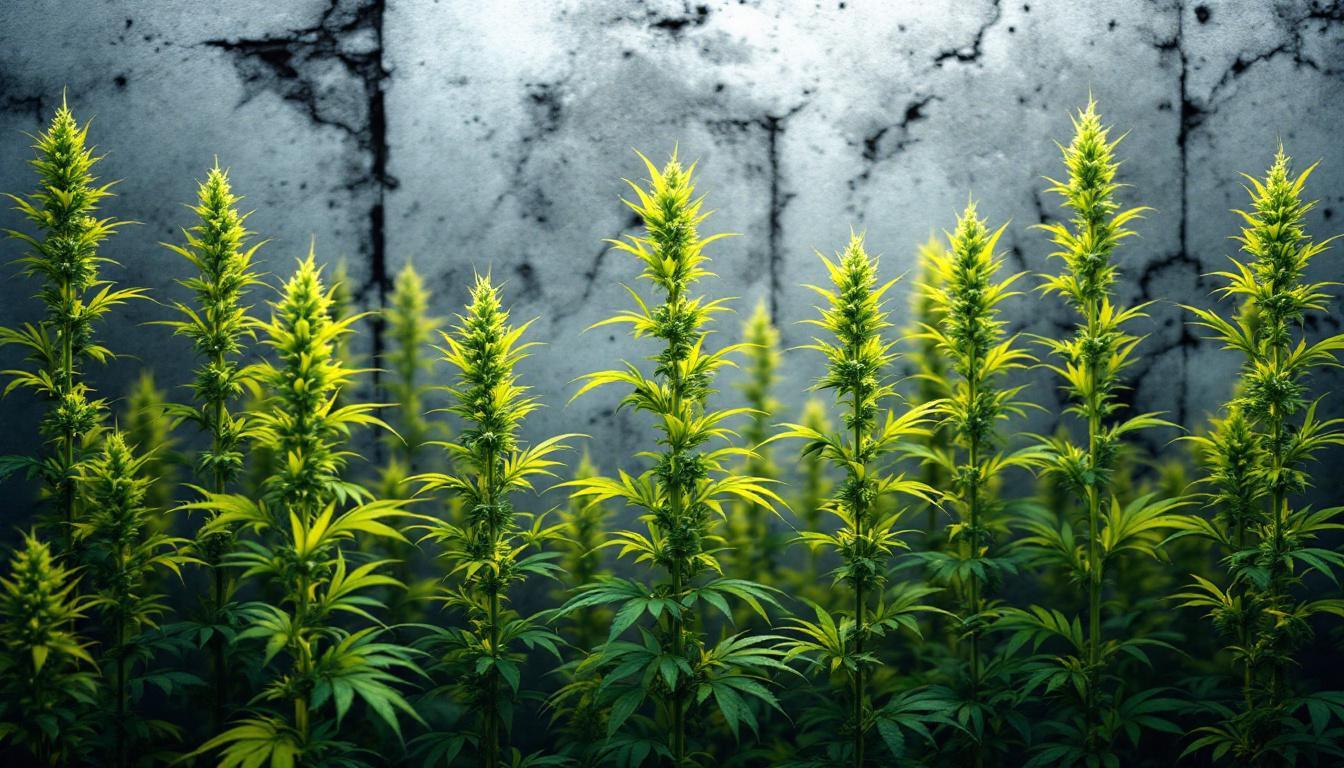
With the construction industry accounting for over 40% of global greenhouse gases, industrial hemp offers a promising, carbon-negative alternative that could redefine sustainable building practices and accelerate climate goals.
The construction industry is confronting a critical inflection point as it grapples with the immense environmental footprint it generates. Responsible for approximately 40% of global greenhouse gas emissions, a figure surpassing that of transportation and agriculture combined, the sector faces escalating pressure from regulators, investors, and customers to pivot towards sustainable and circular building materials. Amid this imperative shift, industrial hemp is emerging as a standout solution with remarkable potential to redefine how buildings are designed, constructed, and operated in a low-carbon economy.
Industrial hemp presents a compelling material platform for decarbonising construction due to its unique carbon-negative profile even before processing. During its rapid growth cycle of roughly 100 to 120 days, hemp can sequester up to 9 tons of CO₂ per acre. This figure aligns with independent findings that report hemp’s photosynthetic capacity as high as 15 tonnes of CO₂ per hectare, underscoring its viability as a potent carbon sink. The captured carbon becomes embedded within hempfibers, hurd (the woody core), and biochar, a stable carbon form used in various soil and industrial applications, making hemp inherently carbon-negative right from the farm.
Beyond carbon sequestration, hemp’s agronomic profile enhances its sustainability. It demands significantly lower water inputs compared to conventional row crops and generally requires no pesticides or herbicides. Its robust root systems contribute to soil regeneration by enhancing soil structure and limiting erosion, while its dense canopy suppresses weeds naturally. This agricultural efficiency not only mitigates environmental impact but also strengthens supply chain resilience, offering manufacturers a domestically sourced raw material base that avoids the vulnerabilities of global logistics disruptions and tariff exposures.
Hemp’s versatility extends widely across the built environment. In residential construction, hemp-derived materials such as insulation batts and blown-in fibre insulation provide high thermal resistance, moisture regulation, natural breathability, and zero volatile organic compound (VOC) emissions. These features deliver tangible energy savings and enhance indoor air quality without the health risks commonly associated with synthetic insulation materials like fiberglass. Hempcrete, a biocomposite made from hemp hurd mixed with lime, is increasingly deployed in both cast-in-place and precast forms, offering fire resistance, thermal inertia, and breathability that improve indoor comfort and building longevity.
Commercial and public infrastructure projects are embracing hemp products such as acoustic ceiling tiles, architectural panels, flooring, and structural insulated panels (SIPs) to meet growing embodied carbon reduction targets under Environmental, Social, and Governance (ESG) mandates. Landscaping and agricultural sectors benefit from biodegradable hemp alternatives to plastic nettings and mulches, aligning with the urgent need to eliminate microplastic pollution. In civil and environmental restoration contexts, hemp materials contribute to erosion control, slope stabilisation, and watershed protection, demonstrating their applicability in federally supported climate resilience initiatives.
Industrial hemp’s ability to integrate into circular manufacturing is a strategic advantage. It supports regenerative economic models by reconnecting rural agriculture with manufacturing and building trades within domestic markets. This localised, vertically integrated supply chain reduces transportation emissions and enhances economic resilience. Additionally, hemp enables compliance with progressive procurement standards such as “Buy Clean” policies and contributes to green building certifications including LEED, WELL, and Living Building Challenge, thereby reinforcing corporate net-zero commitments.
This material is not merely an incremental innovation but signifies a systemic opportunity for industrial decarbonisation. The construction sector’s transition to bio-based, carbon-negative materials like hemp requires early adoption and commitment from architects, engineers, contractors, and developers to redesign product lines and specify hemp alternatives at scale. According to industry leaders featured in recent reports, those organisations that innovate early stand to gain significant competitive advantages, both environmentally and economically.
In summary, industrial hemp provides an actionable, scalable pathway to address embodied carbon reduction, supply chain security, and material circularity in the built environment. Its performance characteristics, environmental benefits, and broad applicability across construction sectors position it as a transformative material for the future of sustainable building. For professionals engaged in industrial decarbonisation, embracing hemp represents a chance to lead a pivotal market shift towards regenerative and resilient construction systems built on the materials nature designed. The question now is who will spearhead this transition and accelerate adoption at the scale the climate challenge demands.
- https://indhemp.com/industrial-hemp-and-the-future-of-the-built-environment-a-practical-pathway-to-decarbonization-circularity-and-domestic-resilience/ – Please view link – unable to able to access data
- https://www.theguardian.com/environment/2024/feb/15/its-almost-carbon-negative-how-hemp-became-a-surprise-building-material – An article from The Guardian discusses how hemp has emerged as a sustainable building material with a carbon-negative footprint. It highlights that hemp can capture up to 15 tonnes of CO₂ per hectare through photosynthesis, making it a viable option for reducing greenhouse gas emissions in construction. The piece also notes the historical use of hemp in building materials and its resurgence in modern sustainable architecture.
- https://www.theguardian.com/sustainable-business/2014/sep/25/hemp-wood-fibre-construction-climate-change – This Guardian article explores the potential of hemp and wood fibre in construction to combat climate change. It explains that hemp absorbs carbon dioxide during growth, and when combined with lime render, it sequesters even more CO₂. The piece discusses the benefits of using bio-based materials for constructing ‘zero carbon’ buildings and the application of PassivHaus principles to achieve minimal energy use.
- https://www.theguardian.com/environment/2024/feb/15/its-almost-carbon-negative-how-hemp-became-a-surprise-building-material – An article from The Guardian discusses how hemp has emerged as a sustainable building material with a carbon-negative footprint. It highlights that hemp can capture up to 15 tonnes of CO₂ per hectare through photosynthesis, making it a viable option for reducing greenhouse gas emissions in construction. The piece also notes the historical use of hemp in building materials and its resurgence in modern sustainable architecture.
- https://www.theguardian.com/sustainable-business/2014/sep/25/hemp-wood-fibre-construction-climate-change – This Guardian article explores the potential of hemp and wood fibre in construction to combat climate change. It explains that hemp absorbs carbon dioxide during growth, and when combined with lime render, it sequesters even more CO₂. The piece discusses the benefits of using bio-based materials for constructing ‘zero carbon’ buildings and the application of PassivHaus principles to achieve minimal energy use.
- https://www.theguardian.com/environment/2024/feb/15/its-almost-carbon-negative-how-hemp-became-a-surprise-building-material – An article from The Guardian discusses how hemp has emerged as a sustainable building material with a carbon-negative footprint. It highlights that hemp can capture up to 15 tonnes of CO₂ per hectare through photosynthesis, making it a viable option for reducing greenhouse gas emissions in construction. The piece also notes the historical use of hemp in building materials and its resurgence in modern sustainable architecture.
- https://www.theguardian.com/sustainable-business/2014/sep/25/hemp-wood-fibre-construction-climate-change – This Guardian article explores the potential of hemp and wood fibre in construction to combat climate change. It explains that hemp absorbs carbon dioxide during growth, and when combined with lime render, it sequesters even more CO₂. The piece discusses the benefits of using bio-based materials for constructing ‘zero carbon’ buildings and the application of PassivHaus principles to achieve minimal energy use.
Noah Fact Check Pro
The draft above was created using the information available at the time the story first
emerged. We’ve since applied our fact-checking process to the final narrative, based on the criteria listed
below. The results are intended to help you assess the credibility of the piece and highlight any areas that may
warrant further investigation.
Freshness check
Score:
8
Notes:
The narrative presents recent developments in the use of industrial hemp in construction, with references to studies and reports from 2024 and 2025. However, similar discussions have appeared in reputable outlets such as The Guardian in February 2024, indicating that the core content may have been previously published. ([theguardian.com](https://www.theguardian.com/environment/2024/feb/15/its-almost-carbon-negative-how-hemp-became-a-surprise-building-material?utm_source=openai)) The presence of updated data suggests an attempt to refresh the content, but the foundational material appears recycled. This warrants a moderate freshness score. ([theguardian.com](https://www.theguardian.com/environment/2024/feb/15/its-almost-carbon-negative-how-hemp-became-a-surprise-building-material?utm_source=openai))
Quotes check
Score:
7
Notes:
The narrative includes direct quotes from industry leaders and reports. A search reveals that similar quotes have been used in earlier publications, such as The Guardian article from February 2024. ([theguardian.com](https://www.theguardian.com/environment/2024/feb/15/its-almost-carbon-negative-how-hemp-became-a-surprise-building-material?utm_source=openai)) This repetition suggests that the quotes may have been reused, potentially indicating a lack of originality.
Source reliability
Score:
6
Notes:
The narrative originates from a company website, which may not be considered a highly reputable source. While the company is involved in the hemp industry, the lack of external verification raises questions about the reliability of the information presented.
Plausability check
Score:
8
Notes:
The claims about industrial hemp’s environmental benefits align with findings from reputable sources, such as the European Industrial Hemp Association’s study indicating that hemp can store between 7 and 9.6 tons of CO₂ equivalents annually. ([renewable-carbon.eu](https://renewable-carbon.eu/news/study-shows-hemp-captures-as-much-carbon-as-forests-when-used-for-construction-materials/?utm_source=openai)) However, the narrative’s reliance on self-reported data from a single company without independent verification slightly diminishes its credibility.
Overall assessment
Verdict (FAIL, OPEN, PASS): FAIL
Confidence (LOW, MEDIUM, HIGH): MEDIUM
Summary:
The narrative presents recycled content with reused quotes and originates from a less reliable source, leading to concerns about its originality and credibility. While the environmental claims are plausible and supported by some external data, the lack of independent verification and the presence of recycled material result in a ‘FAIL’ assessment with medium confidence.
