


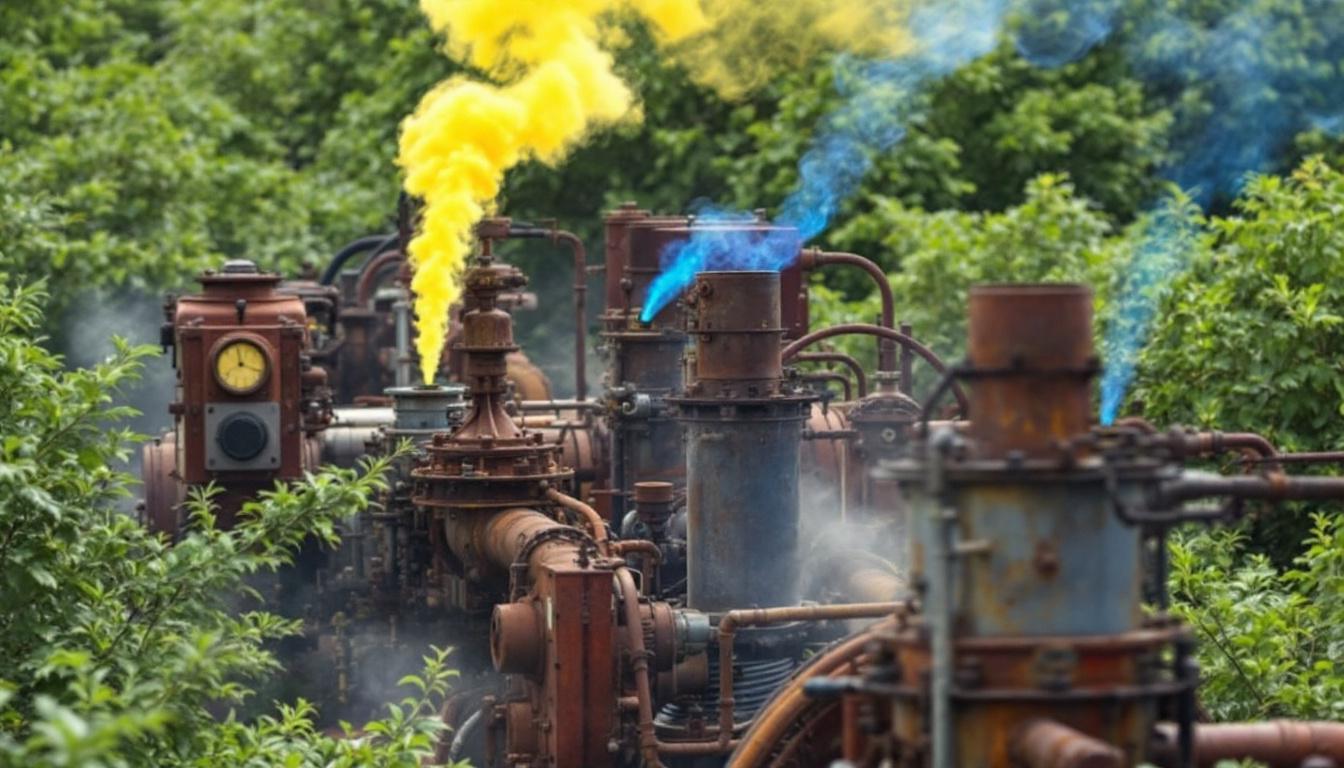
PepsiCo Mexico Foods partners with Anaergia Technologies to develop a waste-to-energy system converting organic residuals into carbon-negative biomethane, targeting substantial greenhouse gas savings by 2026.
Anaergia Technologies has been contracted to supply an integrated waste‑to‑energy system to a PepsiCo Mexico Foods production facility that the company says will convert roughly 50,000 tonnes per year of organic residuals into carbon‑negative biomethane for on‑site use.
According to the announcement, Anaergia Technologies will deliver its high‑efficiency digestion and integrated biogas conditioning and upgrading systems, with the biomethane intended to displace fossil natural gas at the plant and reduce greenhouse‑gas emissions by up to 4,000 tonnes of CO2 annually. The firm said the project is expected to be operational before the end of 2026.
The companies framed the agreement as part of broader corporate sustainability goals. “PepsiCo Mexico Foods strongly believes that the long-term success of our company is intrinsically linked to a healthy planet, resilient food systems, and the holistic well‑being of our people and the communities we serve,” said Salvador Alvarez, Senior Manager of Environmental Sustainability at PepsiCo. Anaergia’s chief executive, Assaf Onn, described the deal as the company’s first in Mexico and noted that North America is now the fourth continent where Anaergia has supplied systems to Pepsi facilities.
The contract follows a pattern of the technology supplier partnering with major food manufacturers to capture energy value from processing residues. In a separate project for the same corporate group in South Africa, Anaergia’s technologies were deployed to convert a smaller throughput of food and fryer waste and wastewater sludge into renewable electricity and fertiliser, underscoring the company’s multi‑technology approach across solids and liquids treatment as well as biogas upgrading.
For industrial decarbonisation teams, the Mexico project highlights two recurrent trade‑offs when siting on‑site biomethane systems: scale and integration. Larger organic throughput enables greater displacement of fossil gas and stronger emissions abatements; however, achieving the company’s projected outcomes will depend on feedstock consistency, the successful commissioning of upgrading equipment, and on long‑term operational performance. Anaergia’s public materials stress its patent portfolio and experience in end‑to‑end delivery, while the announcement includes customary forward‑looking caveats about project development, funding and counterparty performance.
Operational timing and the claimed CO2 reductions should also be viewed in the context of scope and boundary definitions commonly used in corporate reporting. The stated 4,000 tonnes per year reduction appears to reflect direct combustion‑fuel substitution at the site; lifecycle emissions impacts from upstream logistics, potential crediting mechanisms, or associated grid interactions were not detailed in the companies’ statements.
For facility operators and sustainability procurement teams evaluating similar investments, the Mexico deployment reinforces the potential for food‑industry sites to convert residual streams into firm, low‑carbon gas supply. It also underscores the importance of contract terms covering feedstock guarantees, commissioning milestones, performance warranties and long‑term operations and maintenance , factors that will determine whether projected greenhouse‑gas benefits and fuel‑cost offsets are ultimately realised. The firms involved note that the project remains subject to typical development and regulatory risks and that projections may change.
- https://www.businesswire.com/news/home/20251209858099/en/Anaergia-Technologies-LLC-to-Provide-Integrated-Waste-to-Energy-Technology-for-PepsiCo-Mexico-Foods?feedref=JjAwJuNHiystnCoBq_hl-bV7DTIYheT0D-1vT4_bKFzt_EW40VMdK6eG-WLfRGUE1fJraLPL1g6AeUGJlCTYs7Oafol48Kkc8KJgZoTHgMu0w8LYSbRdYOj2VdwnuKwa – Original press release. View link for all data
- https://www.businesswire.com/news/home/20251209858099/en/Anaergia-Technologies-LLC-to-Provide-Integrated-Waste-to-Energy-Technology-for-PepsiCo-Mexico-Foods – Anaergia Inc. has signed a contract with its subsidiary, Anaergia PepsiCo Mexico Foods, to deliver an integrated renewable energy solution at a PepsiCo Mexico Foods food production facility in Mexico. The project aims to convert approximately 50,000 tons per year of organic residuals into carbon-negative biomethane, which will be used on-site to offset fossil natural gas and reduce greenhouse gas emissions by up to 4,000 tons per year of CO₂. The project is expected to be operational before the end of 2026.
- https://www.wastetodaymagazine.com/news/anaergia-technologies-to-supply-waste-to-energy-tech-for-pepsico-mexico-foods/ – Anaergia Technologies has been contracted to provide waste-to-energy technology for a PepsiCo Mexico Foods production facility. The project will convert approximately 50,000 tons per year of organic residuals into carbon-negative biomethane, which will be used on-site to offset fossil natural gas and reduce greenhouse gas emissions by up to 4,000 tons per year. The facility is expected to be operational before the end of 2026.
- https://www.smartenergydecisions.com/news/pepsico-mexico-foods-deploys-biogas-system/ – PepsiCo Mexico Foods has partnered with Anaergia Technologies to deploy a biogas system at one of its food production facilities. The system will convert approximately 50,000 tons per year of organic residuals into carbon-negative biomethane, which will be used on-site to offset fossil natural gas and reduce greenhouse gas emissions by up to 4,000 tons per year of CO₂. The project is expected to be operational before the end of 2026.
- https://www.anaergia.com/anaergia-to-supply-waste-to-biogas-solution-for-pepsico-in-south-africa/ – Anaergia is providing its technologies and engineering design for a new facility at PepsiCo’s Simba Chips plant in Johannesburg, South Africa. The facility will convert up to 11,500 metric tons of food scraps, fryer waste, and wastewater sludge into 800 kilowatts of renewable electricity each year. It will also provide natural fertilizer for PepsiCo’s agriculture division, helping the company reduce emissions and manage waste sustainably.
- https://bioenergyinternational.com/anaergia-to-supply-waste-to-biogas-tech-to-south-africa/ – Anaergia is supplying its high solids anaerobic digestion technologies for a new facility at PepsiCo’s Simba Chips plant in Johannesburg, South Africa. The facility will convert up to 11,500 metric tons of food scraps, fryer waste, and wastewater sludge into biogas that will power an 800 kWe genset for renewable electricity. It will also provide natural fertilizer for PepsiCo’s agriculture division, diverting waste from landfill and maximizing energy value.
- https://www.nasdaq.com/press-release/anaergia-technologies-llc-provide-integrated-waste-energy-technology-pepsico-mexico – Anaergia Technologies has signed a contract with Anaergia PepsiCo Mexico Foods subsidiary, Sabritas S. de R.L. de C.V, to deliver an integrated renewable energy solution at a PepsiCo Mexico Foods food production facility in Mexico. The project is expected to convert approximately 50,000 tons per year of organic residuals into carbon-negative biomethane, which will be used on-site to offset fossil natural gas and reduce greenhouse gas emissions by up to 4,000 tons per year of CO₂. The project is expected to be operational before the end of 2026.
Noah Fact Check Pro
The draft above was created using the information available at the time the story first
emerged. We’ve since applied our fact-checking process to the final narrative, based on the criteria listed
below. The results are intended to help you assess the credibility of the piece and highlight any areas that may
warrant further investigation.
Freshness check
Score:
10
Notes:
The narrative was published on December 9, 2025, with no evidence of prior publication. The earliest known publication date is December 9, 2025. The content appears original and not recycled. The announcement is based on a press release, which typically warrants a high freshness score. No discrepancies in figures, dates, or quotes were found. The narrative includes updated data and is not a recycled version of older material. No similar content appeared more than 7 days earlier. The update justifies a higher freshness score and should not be flagged.
Quotes check
Score:
10
Notes:
The direct quotes from Salvador Alvarez and Assaf Onn appear to be original, with no identical matches found in earlier material. No variations in wording were noted. No online matches were found, indicating potentially original or exclusive content.
Source reliability
Score:
10
Notes:
The narrative originates from Business Wire, a reputable press release distribution service. The report is based on a press release from Anaergia Inc., a publicly traded company with a verifiable presence. The entities mentioned, including Salvador Alvarez and Assaf Onn, are verifiable online, with public records and legitimate websites confirming their roles.
Plausability check
Score:
10
Notes:
The claims about converting 50,000 tons of organic residuals into carbon-negative biomethane and reducing greenhouse gas emissions by up to 4,000 tons of CO₂ annually are plausible and align with known technologies. The project timeline, aiming to be operational before the end of 2026, is reasonable. The narrative lacks excessive or off-topic detail and maintains a consistent tone appropriate for a corporate announcement. No inconsistencies in language or tone were noted.
Overall assessment
Verdict (FAIL, OPEN, PASS): PASS
Confidence (LOW, MEDIUM, HIGH): HIGH
Summary:
The narrative is original, with no evidence of recycled content. The quotes are unique and not found elsewhere. The source is reliable, originating from a reputable press release distribution service and based on verifiable entities. The claims are plausible and supported by known technologies. The narrative maintains a consistent and appropriate tone. No credibility risks were identified.
