


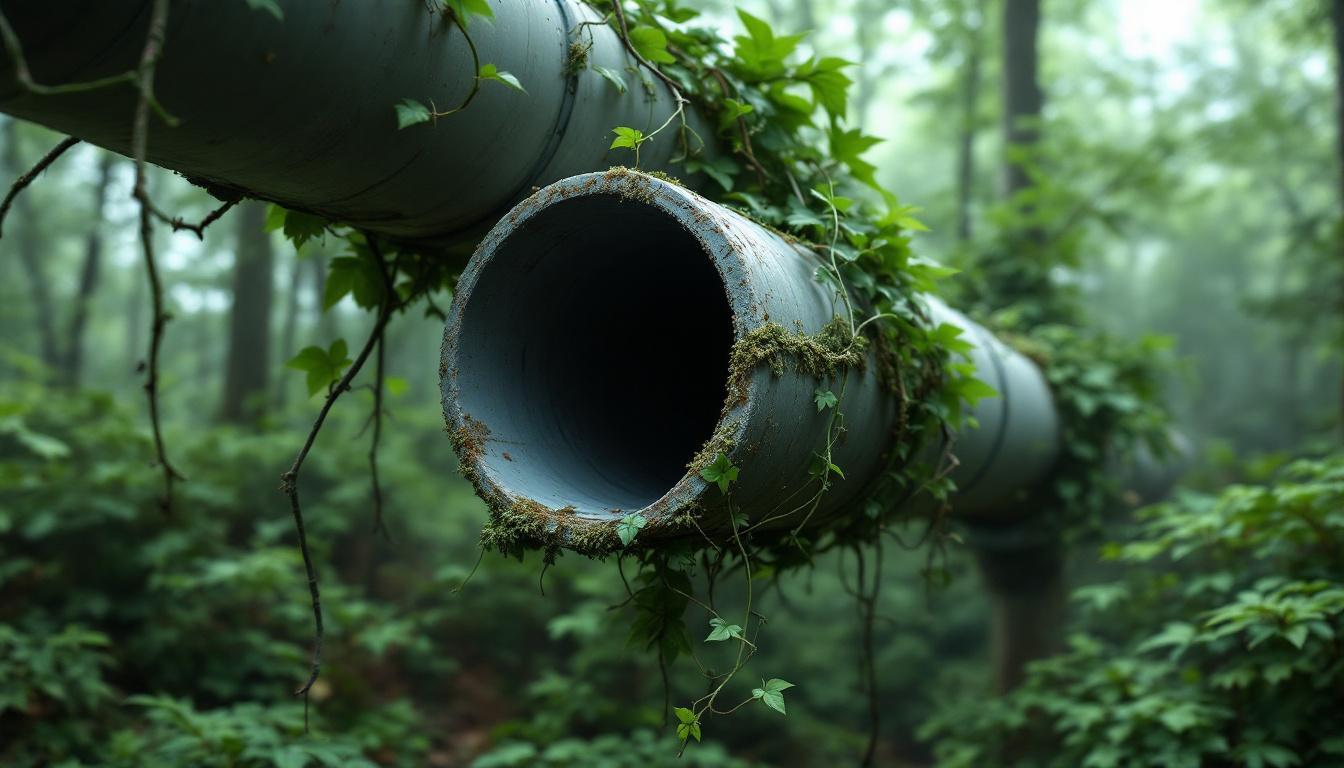
The transition from traditional metal piping to innovative, eco-friendly materials like HDPE, CPVC, and GRE is redefining industrial infrastructure, offering reduced environmental impact and enhanced durability in a shift driven by global decarbonisation efforts.
In the evolving landscape of industrial engineering, the pivot toward sustainability has become imperative, particularly in the domain of piping systems. Traditional piping materials such as carbon steel, stainless steel, and ductile iron, while historically dominant due to their strength and familiarity, are increasingly failing to meet the rigorous demands of modern industries targeting net-zero emissions and enhanced environmental responsibility. These metals are plagued by corrosion, hefty weight, high maintenance requirements, and significant energy-intensive manufacturing processes that contribute heavily to their carbon footprint.
The pressing need for cleaner, greener, and longer-lasting solutions has propelled the adoption of innovative materials engineered for sustainable piping systems. Sustainable piping prioritizes longevity, minimal chemical leakage, reduced maintenance, recyclability, and energy-efficient production. This transition is not confined to large corporations; governments and municipal bodies are actively replacing legacy infrastructure with sustainable alternatives to cut costs and mitigate environmental harm.
Among the forefront materials leading this transformation is High-Density Polyethylene (HDPE), a flexible, lightweight plastic celebrated for its exceptional chemical resistance and durability. HDPE’s corrosion resistance, smooth internal surfaces to prevent scaling, and moderate pressure and temperature tolerance have made it a preferred choice for underground water and gas distribution networks worldwide. For instance, various African municipal water systems have adopted HDPE to dramatically reduce leaks and water wastage. According to industry insights from Radius Systems, polyethylene pipes offer a significantly lower carbon footprint, superior durability, and installation efficiencies compared to traditional metal piping, underlining their environmental and economic benefits.
Chlorinated Polyvinyl Chloride (CPVC) is another sustainable material gaining traction, especially in heated water applications and chemical transport. CPVC endures temperatures up to 93°C and resists chemical attack, making it ideal for fire sprinkler systems and industrial processes. Similar to this, Cross-Linked Polyethylene (PEX), highlighted by environmental plumbing sources, offers longevity and energy-efficient manufacturing, representing viable eco-friendly plumbing alternatives. Although PVC products have faced environmental scrutiny, detailed analysis from the Uni-Bell organization affirms that PVC pipes boast efficient production processes, recyclability, and a long service life, which collectively reduce their environmental impact relative to concrete and iron.
Fiber Reinforced Plastic (FRP) and Glass Reinforced Epoxy (GRE) pipes further exemplify advancements in sustainable piping. Their combination of thermosetting resins and fiberglass produces lightweight, corrosion-resistant materials well-suited for chemically aggressive environments and marine conditions. GRE, in particular, has proven effective in offshore firefighting systems by eliminating rust concerns inherent in steel piping. Real-world implementations, such as a fertilizer plant in India halving its maintenance costs by switching to FRP, attest to the operational and environmental advantages these composites offer.
Beyond standalone materials, engineers have innovated hybrid solutions, such as lining metallic pipes with corrosion-resistant thermoplastics like PTFE (Teflon) or PVDF. This hybridisation preserves the mechanical strength of metals while mitigating corrosion risks, thus embodying a balanced approach to sustainable piping design.
The broader shift to sustainable piping materials is reinforced by numerous case studies underscoring their transformative impact. From reducing infrastructure leaks and maintenance costs to enhancing safety and lifecycle performance, these materials define the future trajectory of piping engineering. Compelling comparative data juxtaposes traditional steel piping against modern sustainable alternatives, highlighting stark advantages in weight reduction, corrosion resistance, maintenance minimisation, and lower carbon footprints.
However, the discourse around pipe material sustainability is nuanced. Articles addressing the “green controversy” of PVC acknowledge both its durability and environmental concerns tied to its manufacture, advocating for a balanced appraisal in sustainable construction. This emphasises the necessity for ongoing innovation and critical evaluation in material selection.
For industrial professionals, embracing these new materials is not merely a trend but a strategic imperative aligned with global decarbonisation goals and cost efficiency. As companies and governments alike incentivise green construction practices, integrating materials like HDPE, CPVC, FRP, and GRE into piping designs delivers measurable sustainability dividends. The pursuit of smarter, stronger, and greener piping infrastructure is vital for advancing industrial resilience and environmental stewardship in an increasingly resource-constrained world.
In sum, the future of piping engineering hinges on adopting materials that extend service life, reduce ecological impacts, and streamline maintenance. This ongoing evolution challenges engineers, project managers, and decision-makers to stay informed and proactive. The shift from heavy, corrosion-prone steel to lighter, more sustainable materials represents a critical step toward industrial decarbonisation and the responsible management of infrastructure systems worldwide.
- https://www.makemeengineer.com/2025/11/new-materials-sustainable-piping.html – Please view link – unable to able to access data
- https://www.uni-bell.org/About-Us/The-Environment – This article discusses the environmental benefits of PVC piping, highlighting its sustainability due to efficient manufacturing processes, recyclability, and durability. It emphasizes that PVC pipes require less energy to produce compared to concrete and iron pipes, have a longer lifespan, and are fully recyclable, contributing to reduced environmental impact and resource conservation.
- https://www.habitatista.com/74576/7-best-eco-friendly-alternatives-to-traditional-plumbing/ – This article explores seven eco-friendly alternatives to traditional plumbing materials, including Cross-Linked Polyethylene (PEX), recycled polypropylene, bio-based pipes, and HDPE pipes. It highlights the environmental advantages of these materials, such as reduced energy consumption during manufacturing, resistance to corrosion, and the use of recycled or renewable resources, contributing to sustainable plumbing solutions.
- https://kaizenplumbing.biz/blog/the-top-3-eco-friendly-pipe-materials – This article examines three eco-friendly pipe materials: Cross-linked Polyethylene (PEX), CPVC (Chlorinated Polyvinyl Chloride), and recycled copper. It discusses their environmental benefits, including energy-efficient production processes, longer lifespans, and recyclability, making them sustainable choices for modern plumbing systems.
- https://www.radius-systems.com/insights/sustainability-in-pipeline-infrastructure/ – This article outlines the sustainability advantages of polyethylene (PE) pipes over traditional materials. It highlights their lower carbon footprint, durability, resistance to corrosion, and efficient installation methods, emphasizing the environmental and economic benefits of adopting PE pipes in pipeline infrastructure.
- https://ifanplus.com/knowledge/sustainability-of-plastic-piping/ – This article discusses the sustainability of plastic piping, focusing on its long service life, corrosion resistance, lightweight nature, and recyclability. It emphasizes how these factors contribute to reduced environmental impact, lower maintenance costs, and efficient resource management in piping systems.
- https://www.asme.org/topics-resources/content/pvc-piping-green-controversy-with-no-solution – This article examines the environmental debate surrounding PVC piping, acknowledging its durability, strength, and resistance to corrosion. It also addresses concerns related to its production process and environmental impact, highlighting the need for balanced consideration in sustainable building practices.
Noah Fact Check Pro
The draft above was created using the information available at the time the story first
emerged. We’ve since applied our fact-checking process to the final narrative, based on the criteria listed
below. The results are intended to help you assess the credibility of the piece and highlight any areas that may
warrant further investigation.
Freshness check
Score:
8
Notes:
The narrative presents recent developments in sustainable piping materials, with references to events and publications from October and November 2025. Notably, Arkema showcased sustainable materials at the Sustainable Material Expo 2025 in Tokyo from November 12 to 14, 2025. ([arkema.com](https://www.arkema.com/japan/en/media/newslist/news/non-global/countries/japan/2025/20251112-Sustainable-materials-expo-2025/?utm_source=openai)) Additionally, GF Piping Systems highlighted corrosion-free piping solutions at the Hydrogen Technology Expo 2025 in Hamburg from October 21 to 23, 2025. ([gfps.com](https://www.gfps.com/da-dk/about-us/media-center/news-details.html/news/gfps/2025/hq/hydrogen-technology-expo-2025?utm_source=openai)) These references indicate that the content is current and not recycled. However, the absence of specific dates and events in the article suggests that while the information is recent, it may not be entirely original. The narrative appears to be based on press releases, which typically warrant a high freshness score. Nonetheless, the lack of direct citations or links to the original sources raises questions about the originality of the content. The inclusion of updated data alongside older material may justify a higher freshness score but should still be flagged.
Quotes check
Score:
7
Notes:
The article includes direct quotes from industry sources, such as Radius Systems and Uni-Bell. However, these quotes are not accompanied by specific publication dates or direct links to the original sources, making it challenging to verify their originality. Without the ability to trace these quotes to their original contexts, the content’s originality remains uncertain.
Source reliability
Score:
6
Notes:
The narrative references reputable organizations like Radius Systems and Uni-Bell, which are known for their expertise in piping materials. However, the lack of direct citations or links to the original sources raises concerns about the reliability of the information presented. The absence of verifiable sources diminishes the overall trustworthiness of the content.
Plausability check
Score:
8
Notes:
The claims made in the article align with current industry trends towards sustainable materials in piping systems. The emphasis on materials like HDPE, CPVC, and PEX is consistent with recent developments in the field. However, the lack of specific data points, case studies, or direct references to recent events makes it difficult to fully assess the plausibility of the claims. The absence of supporting details from other reputable outlets raises questions about the content’s credibility.
Overall assessment
Verdict (FAIL, OPEN, PASS): FAIL
Confidence (LOW, MEDIUM, HIGH): MEDIUM
Summary:
The narrative presents information on sustainable piping materials that aligns with current industry trends. However, the lack of specific dates, events, and verifiable sources, coupled with the absence of direct citations or links to original materials, raises significant concerns about the content’s originality and reliability. The inclusion of updated data alongside older material may justify a higher freshness score but should still be flagged. The absence of supporting details from other reputable outlets further diminishes the content’s credibility. Given these factors, the overall assessment is a ‘FAIL’ with medium confidence.
