


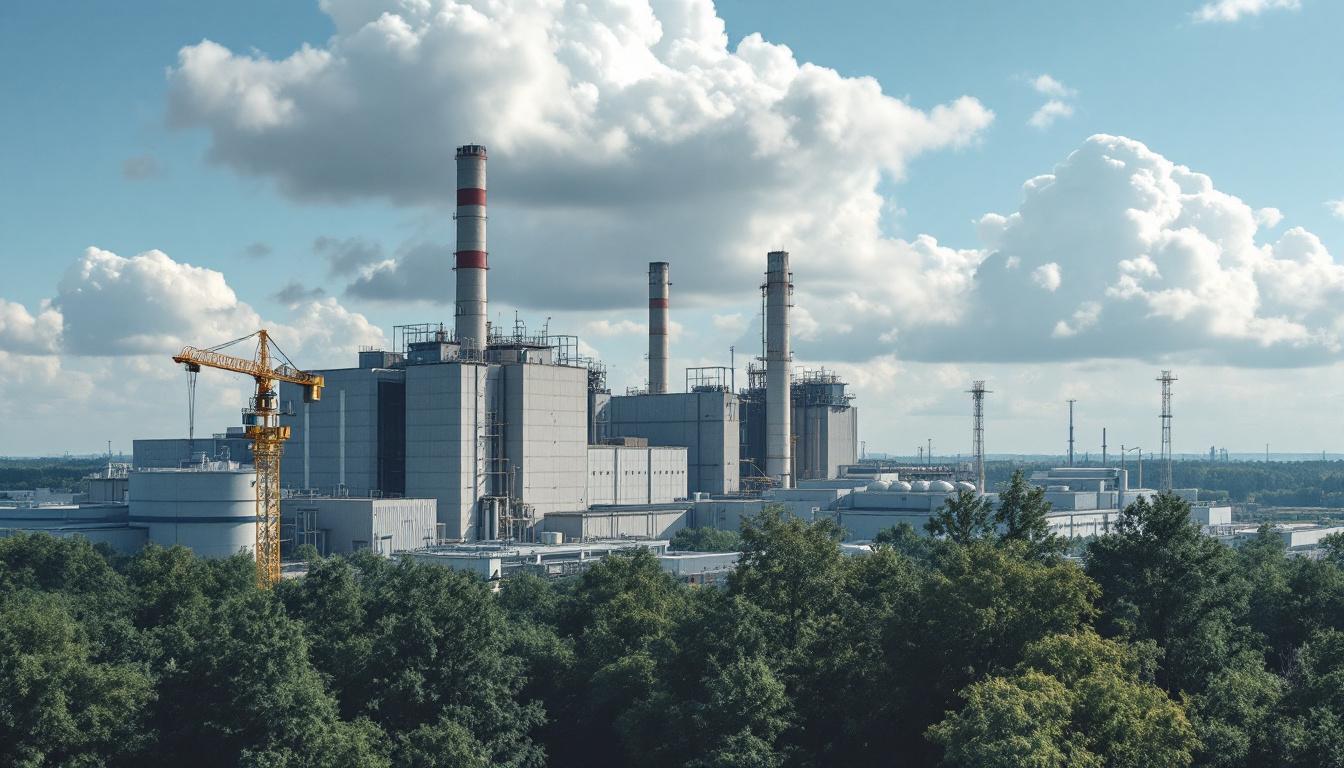
Toyota is establishing a large-scale Circular Factory in Wałbrzych, Poland, to intensify vehicle recycling, recover critical materials and support its transition to climate neutrality amidst Europe’s push for sustainable automotive production.
Toyota is to establish a large-scale vehicle recycling operation at its Wałbrzych complex in southwestern Poland, expanding its European circular-economy footprint and targeting a tighter supply of secondary materials for decarbonising automotive production.
According to a Toyota Motor Europe announcement, the new Circular Factory will occupy about 25,000 square metres and is engineered to handle close to 20,000 end-of-life vehicles each year. The company said the site will prioritise recovery of components and raw materials for reuse in new vehicles, with particular attention paid to traction batteries and other electrified-vehicle parts. “Items such as batteries and wheels will be evaluated for their potential to be remanufactured, repurposed or recycled,” Toyota said.
The Wałbrzych facility will refurbish parts judged fit for reuse and break down irrecoverable components to recover metals and polymers including copper, steel, aluminium and plastics, which the company intends to channel back into manufacturing. Toyota characterised the move as one piece of a broader strategy to reduce waste and improve resource security as vehicle fleets electrify. The project follows an earlier Circular Factory near Burnaston in the United Kingdom; Toyota has described the Polish site as its second such plant in Europe. Industry reporting indicates the Burnaston facility entered service in the 2024–2025 timeframe and the Wałbrzych plant will be integrated into Toyota’s existing component-manufacturing operations there.
Leon van der Merwe, Vice President of Circular Economy at Toyota Motor Europe, explained the choice of Poland as driven by access to end-of-life vehicles, recycling supply chains and the presence of established manufacturing infrastructure. The company suggested similar investments could be deployed elsewhere across the continent.
The announcement comes as carmakers face mounting pressure from regulators and markets to close material loops and to secure critical inputs for electric drivetrains. Industry commentary notes that processing batteries and reclaiming copper and aluminium at scale can reduce reliance on primary mining and lower the embodied carbon of new vehicles, while also helping manufacturers meet stringent European end-of-life and sustainability requirements.
For firms involved in industrial decarbonisation and component supply, the Wałbrzych investment signals growing vertical integration into reverse logistics and materials processing by OEMs. According to sector reporting, Toyota’s model combines remanufacturing and mechanical recycling streams to maximise the value extracted from retired vehicles and to feed certified secondary materials back into production.
The scale of the Polish plant, its focus on electrified-vehicle components and its placement within an existing manufacturing hub position it as a test case for translating circular-economy principles into industrial practice. Toyota framed the project as supporting its wider transition toward climate neutrality, while observers say timely execution, transparent material accounting and alignment with upstream battery-takeback systems will determine how effectively such facilities reduce lifecycle emissions and relieve pressure on raw-material supply chains.
- https://evmagz.com/toyota-to-build-major-vehicle-recycling-plant-in-poland/ – Please view link – unable to able to access data
- https://newsroom.toyota.eu/toyota-announces-a-new-investment-in-a-circular-factory-in-poland/ – Toyota Motor Europe has announced the establishment of its newest Circular Factory in Wałbrzych, Poland. The facility will cover 25,000 square metres and process close to 20,000 end-of-life vehicles annually. This investment represents another significant step in TME’s strategy to develop a circular economy model based on the principles of reduce, reuse and recycle. The aim is to maximise environmental benefits through precise and systematic processing of vehicles at the end of their life cycle.
- https://tvpworld.com/91677574/toyota-to-open-polish-circular-factory-to-recycle-old-cars – Japanese manufacturer Toyota will open its second-ever car recycling factory in Wałbrzych, southwestern Poland, where vehicles reaching the end of their life will be prepared for reuse. The firm’s new ‘circular factory’ will take up 25,000 square meters within an existing Toyota plant and is set to handle nearly 20,000 vehicles per year. The project will be the largest of its kind in Poland’s automotive sector and will set a new standard for vehicle recycling in the country.
- https://www.electrive.com/2026/02/20/toyota-builds-large-recycling-plant-in-poland/ – Toyota has announced a new circular economy factory in Wałbrzych, Poland. The plant is designed to process around 20,000 end-of-life vehicles per year, recovering components and secondary raw materials – including traction batteries – for reuse and recycling. The new facility will cover an area of 25,000 square metres. It is designed to process around 20,000 end-of-life vehicles per year. The plant will focus on recovering reusable components and valuable raw materials, with a particular emphasis on batteries and other electrified vehicle parts.
- https://evertiq.com/news/2026-02-19-toyota-recycling-centre-to-be-built-in-poland – Toyota Motor Europe has announced the construction of a new facility. The Circular Factory plant will be built in Wałbrzych and will focus on circular-economy activities, processing up to 20,000 end-of-life vehicles per year. The investment is intended to support the company’s transition toward climate neutrality. The new factory will cover an area of 25,000 square metres and will be Toyota’s second facility of this kind in Europe. The plant will expand the operations of the existing factory in Wałbrzych, which manufactures key components for hybrid and conventional powertrains.
- https://www.marklines.com/en/news/340618 – Toyota Motor Europe has announced the establishment of its newest Circular Factory in Wałbrzych, Poland. The 25,000-square-metre facility will process nearly 20,000 end-of-life vehicles annually. The initiative aims to maximise environmental benefits through processing of vehicles at the end of their life. This news is for paid members only. If you register as a free member, you can read the rest of this article for a limited time. In addition, you can also enjoy other content for free.
- https://www.autotrade.ie/index.php/toyota-to-open-circular-factory-in-poland/78179 – Toyota Motor Europe is set to expand its circular economy operations with the announcement of a new end-of-life vehicle processing facility in Walbrzych, Poland. The 25,000 m² facility will process close to 20,000 end-of-life vehicles annually, recovering components and raw materials including copper, steel, aluminium, and plastics for use in new vehicle production. The Walbrzych will be Toyota’s second such facility in Europe following the launch last year of a similar plant in Burnaston in the UK.
Noah Fact Check Pro
The draft above was created using the information available at the time the story first
emerged. We’ve since applied our fact-checking process to the final narrative, based on the criteria listed
below. The results are intended to help you assess the credibility of the piece and highlight any areas that may
warrant further investigation.
Freshness check
Score:
10
Notes:
The article was published on February 23, 2026, which is the same date as the latest available sources reporting on Toyota’s announcement of the new recycling plant in Wałbrzych, Poland. ([newsroom.toyota.eu](https://newsroom.toyota.eu/toyota-announces-a-new-investment-in-a-circular-factory-in-poland/?utm_source=openai))
Quotes check
Score:
10
Notes:
The article includes direct quotes from Leon van der Merwe, Vice President of Circular Economy at Toyota Motor Europe, which are consistent with statements found in the official Toyota press release. ([newsroom.toyota.eu](https://newsroom.toyota.eu/toyota-announces-a-new-investment-in-a-circular-factory-in-poland/?utm_source=openai))
Source reliability
Score:
3
Notes:
The article originates from evmagz.com, a niche publication focusing on electric vehicles and related news. While it provides timely information, the site’s credibility and editorial standards are not well-established, which raises concerns about the reliability of the information presented.
Plausibility check
Score:
9
Notes:
The claims about Toyota establishing a recycling plant in Wałbrzych, Poland, align with the official announcement from Toyota Motor Europe. ([newsroom.toyota.eu](https://newsroom.toyota.eu/toyota-announces-a-new-investment-in-a-circular-factory-in-poland/?utm_source=openai)) However, the lack of independent verification from other reputable news outlets diminishes the overall confidence in the information.
Overall assessment
Verdict (FAIL, OPEN, PASS): FAIL
Confidence (LOW, MEDIUM, HIGH): MEDIUM
Summary:
While the article provides timely information about Toyota’s announcement of a new recycling plant in Wałbrzych, Poland, it heavily relies on a single, niche source with limited independent verification. The lack of corroboration from other reputable news outlets and the questionable reliability of the source diminish the overall confidence in the information presented. Editors should exercise caution and seek additional independent verification before publishing.
